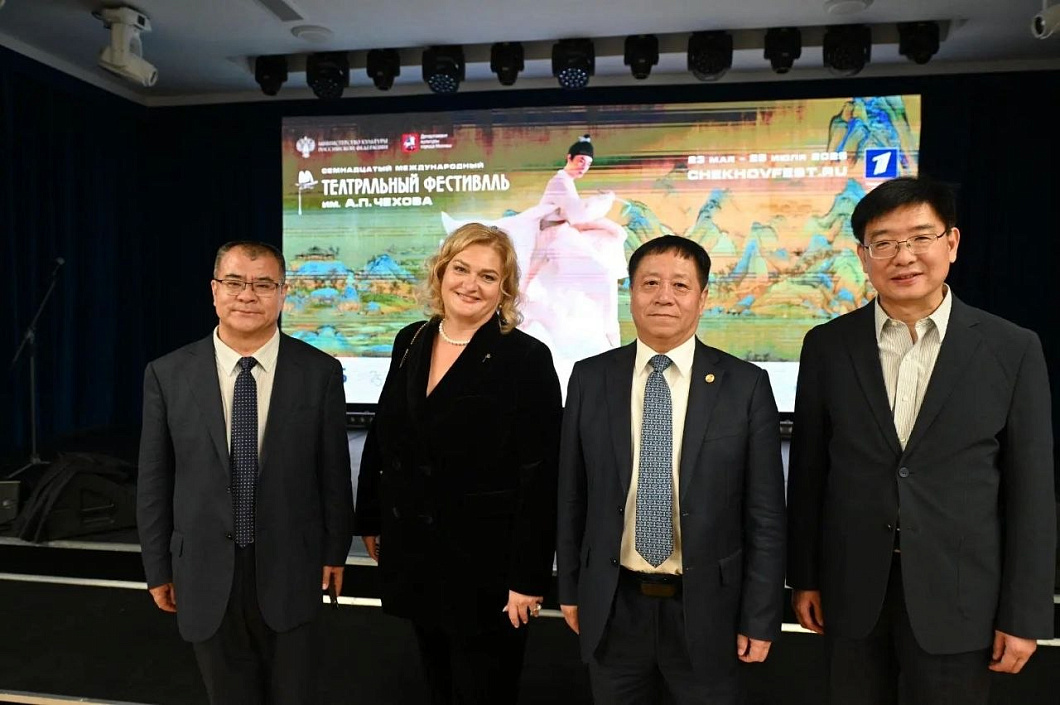
Working visit of the Director General of the Chekhov Festival Karina Tsaturova to Beijing and Shanghai: strengthening theatre ties between Russia and China
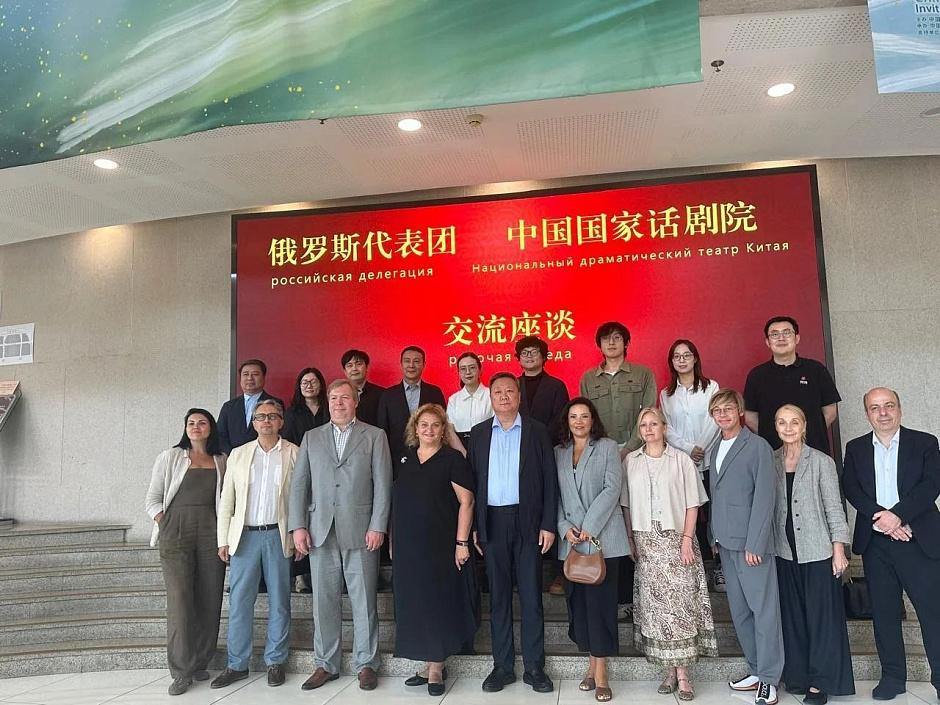
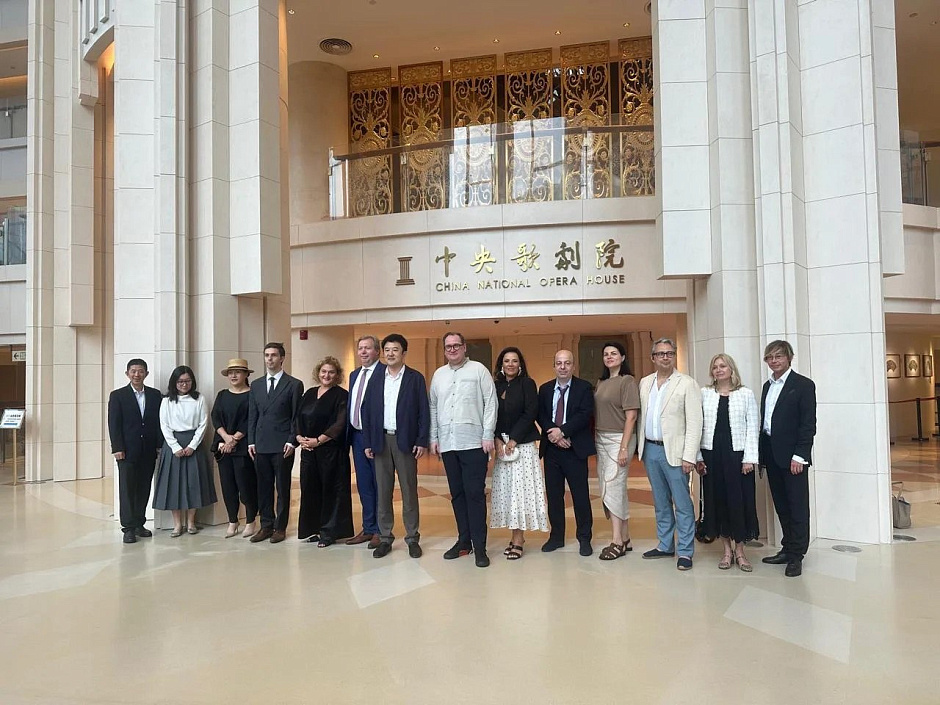
From 23 to 30 August 2026, a delegation of directors from Russian theatres and cultural and arts institutions undertook a working visit to China. The trip was organized on the initiative of the Chinese Cultural Centre at the Embassy of the People’s Republic of China in the Russian Federation. Karina Tsaturova, Director General of the Chekhov International Theatre Festival became a member of the delegation..
The programme of the visit covered the country’s two largest cultural centres, Beijing and Shanghai, and was dedicated to studying best practices in theatre work, exchanging experiences and building long-term partnerships.
Beijing: meetings at the country’s leading venues
In the capital, the delegation held a series of working meetings and fact-finding visits to key venues that define the theatrical landscape of modern China.
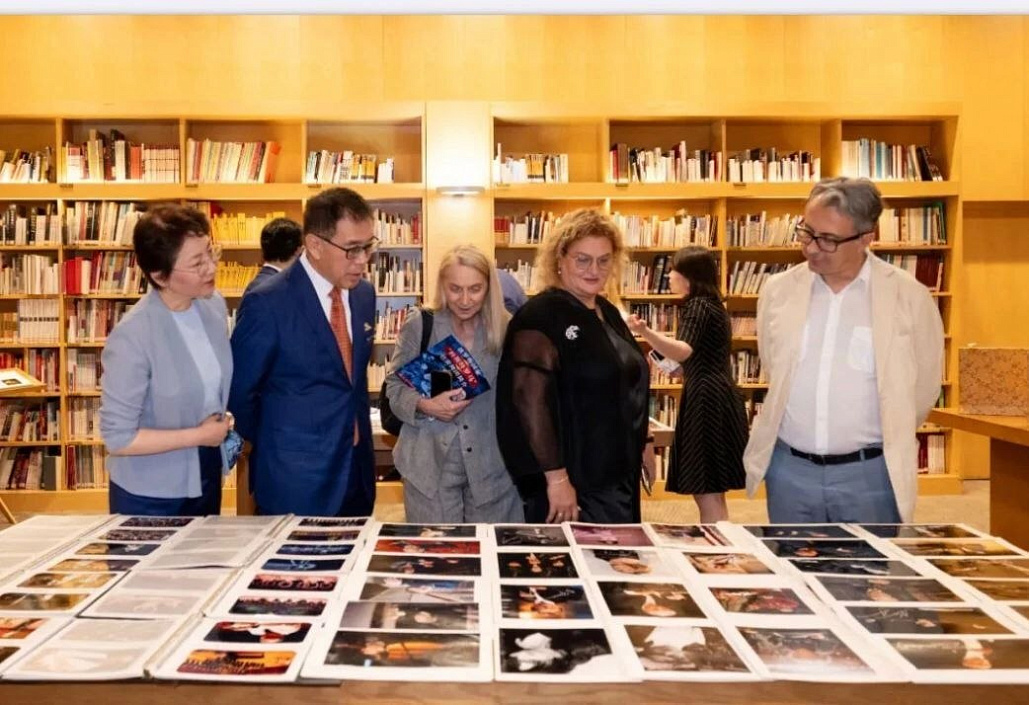
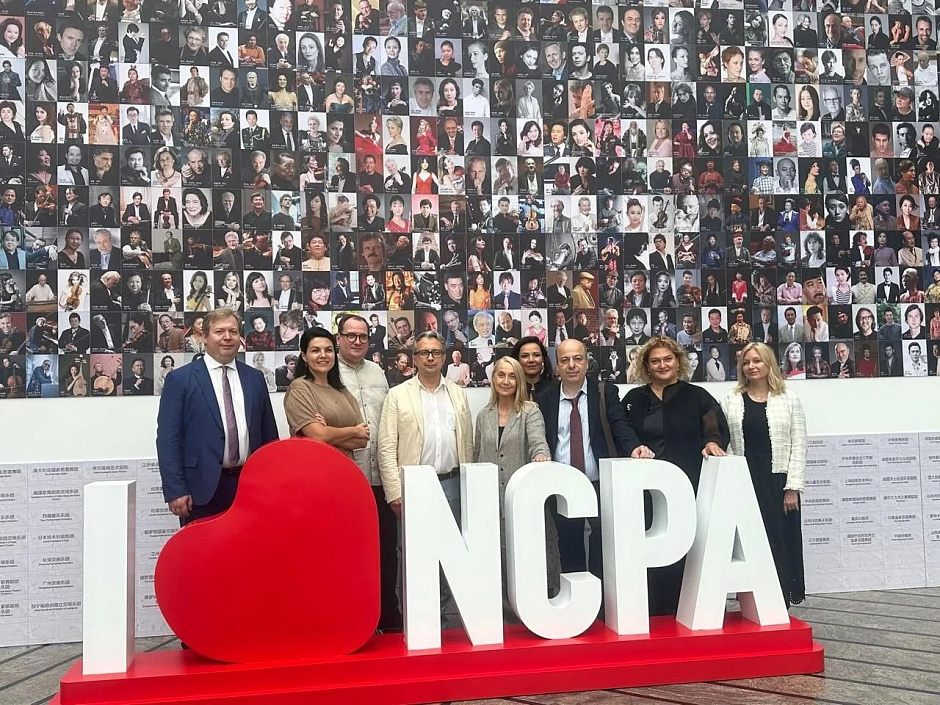
One of the key events was a meeting at the National Centre for the Performing Arts (NCPA) with the centre’s president, Wang Ning. The Russian delegation gained a detailed insight into the work of the three theatres, learnt about the principles of the operating of stage equipment, the organization of backstage areas and the system for engaging with audiences. The NCPA’s Centre for Artistic Archives which houses materials documenting the history of Chinese-Russian cultural exchange aroused particular interest of the delegation.
An important part of the programme was the visit to the China National Theatre – the country’s leading national drama theatre, renowned for its productions of both Chinese classics and world drama, as well as for its experimental work. The delegation appreciated the scale of the theatre’s creative resources and its role in preserving and developing China’s dramatic traditions.
A significant cultural event was the performance of the Beijing Opera ‘The Fragrance of Strings, the Splendour of Plums, the Autumn Melody’, starring Liu Zheng. The production provided a deeper insight into the distinctive nature of Jingju (Beijing Opera) — a synthetic theatrical art form combining music, singing, pantomime, dance and acrobatics, which is included on UNESCO’s list of the Intangible Cultural Heritage of Humanity. The delegation also met with the management of the Mei Lanfang Grand Theatre and spoke with the performers, discussing the finer points of working in this unique genre.
Shanghai: an introduction to leading theatre organizations
Following a packed programme in Beijing, the delegation arrived in Shanghai, where it continued a series of professional meetings.
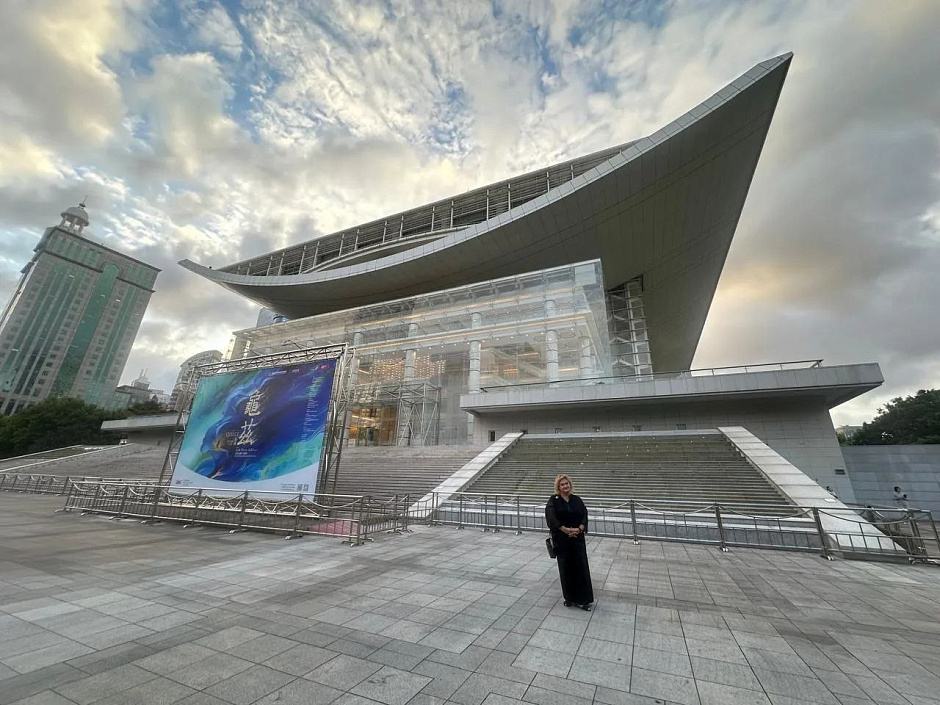
The highlight was a working visit to the Shanghai Grand Theatre — China’s first high-calibre, international, multi-purpose theatre. The complex comprises three auditoriums. By 2026, more than 10,000 performances had been staged there, with a total audience of 13 million people. The delegation examined the theatre’s internal layout and the specifics of its day-to-day operations, and also attended a performance of the dance piece ‘А Heap’. This production explores the origins of the Silk Road and the arrival of Buddhism in China – it served as a striking example of how contemporary theatrical language can reveal profound historical and cultural layers.
The meeting at the Shanghai International Arts Festival Centre — one of the most influential arts forums in the Asia-Pacific region — proved to be no less productive. The festival has been running for over 20 years: during this time, it has attracted more than 80 million visitors, and over 800 groups from 80 countries around the world have performed on its stage. Interacting with colleagues in festival management provided an opportunity to exchange experiences, discuss current industry issues and strengthen creative ties.
Results and prospects for cooperation
The visit marked an important step in the further development of cultural dialogue between the Chekhov Festival and China. It not only provided an opportunity to learn about the current work of China’s leading theatre institutions, but also strengthened existing partnerships and identified new areas for collaboration.
The Chekhov Festival has been collaborating with Chinese theatre professionals for over 30 years. Over these years of warm friendship and active cooperation, the festival has introduced Russian audiences to the full diversity of China’s performing arts: street carnivals, Chinese opera, dramatic productions, ballet, and performances combining circus and martial arts. In total, the festival has featured 16 productions, 13 theatre companies and over 50 performances across five cities in Russia and the former Soviet Union.
In autumn 2026, two productions featuring theatre artists from China are scheduled to be presented at the IV Pacific International Theatre Festival in Vladivostok. It is highly likely that the programme of the XVIII Chekhov International Theatre Festival will once again delight Russian audiences with incredible productions from China!
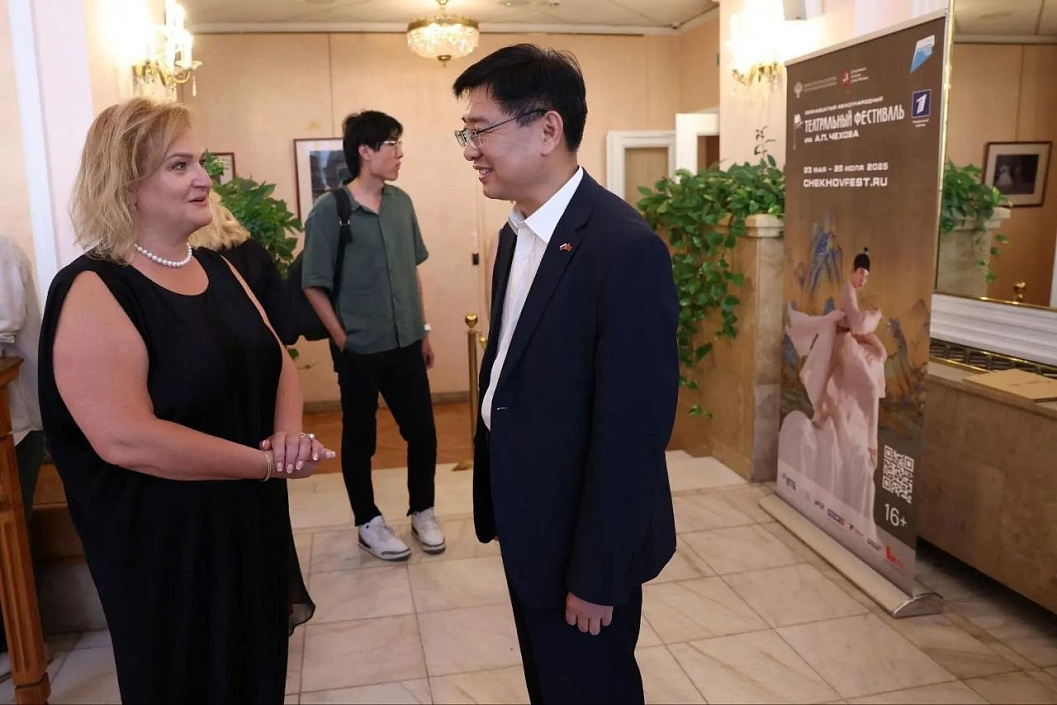
The Chekhov Festival would like to express its sincere gratitude to the Chinese Cultural Centre at the Embassy of the People’s Republic of China in the Russian Federation, and personally to Mr Feng Litao, Minister-Counsellor at the Embassy of the People’s Republic of China in the Russian Federation, Director of the Chinese Cultural Centre in Moscow, a good friend and trusted partner of the Chekhov Festival, for the brilliant organization of this working visit. The programme proved to be incredibly rich, thematically profound and extremely beneficial for all participants.
This visit was a landmark event which did not merely bring together, but truly united the professional Russian creative and theatre community with their Chinese colleagues. The Chekhov International Theatre Festival hopes that this trip will lead to long-term and fruitful cooperation, which will continue to bring together the cultures of two great nations — Russia and China.